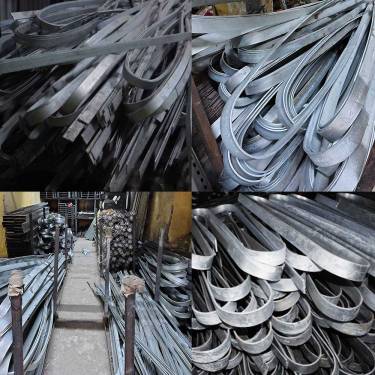
At Earth Power, a reputed brand of the Kiash Group, we are involved in manufacturing earthing solutions that ensure safety in both life and equipment. If you are looking for a reliable GI Earthing Strip in Kolkata, our strips are designed to give very low-resistance paths to the ground as a safety measure against shock hazards and damage to equipment. These are made of galvanized iron strips, which are the most commonly used in grounding systems for transformers, buildings and industrial machinery. Their conductivity and durability make them the best choices for all electrical setups.
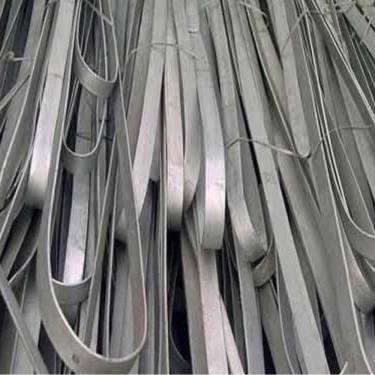
At Earth Power, a reputed brand from the Kiash Group, we realize perfect earthing is all about the safety of any electrical set and its stability. That's why our GI Earthing Flat in Kolkata is trusted by contractors and engineers for their application in consistent conductivity and corrosion resistance. Our GI flats offer a reliable path for electrical energy to ground safely Whether a residential complex or an industrial factory.
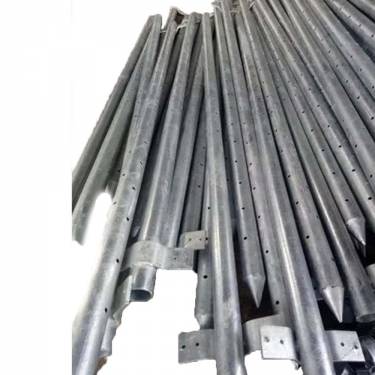
We develop reliable earthing systems using quality products manufactured for the ideal long-term performance at Earth Power, a reputed brand from the Kiash Group. If you are looking for Earthing Pipe in Kolkata, our pipes act as efficient conductors that carry fault current safely down into the earth. Earthing pipes are made to prevent electric shock to the industrial, commercial and residential installations, and to protect equipment from any dangerous voltages.
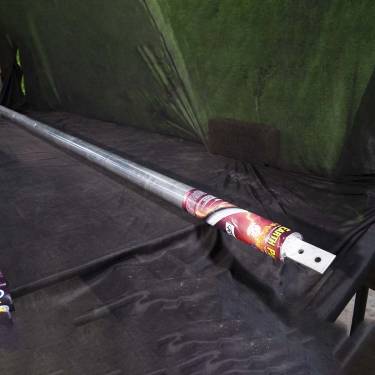
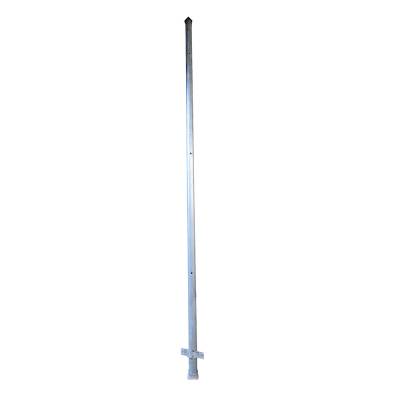
At Earth Power, a known brand of Kiash Electricals, we provide dependable earthing solutions to secure electrical installations. If you are looking for GI Earthing Electrode in Kolkata, our electrodes are designed to offer a direct and efficient path to ground, reducing the risk of electric shocks and system faults. These electrodes in GI are used quite extensively in substations and transformers and in industrial equipment and residential buildings, ensuring the safety of systems and stabilization of voltage.

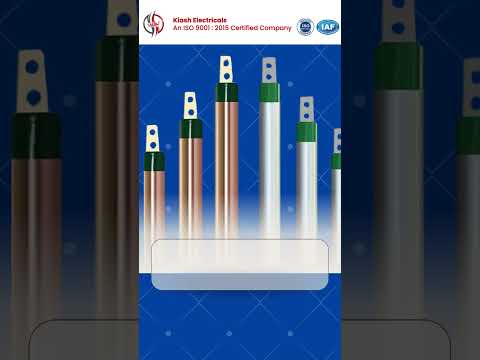
Grounding in high-moisture environments requires materials that won't degrade when buried in acidic or salt-heavy soil. Earth Power, a reputed brand from the Kiash Group, provides rods that use a molecularly bonded copper skin over a high-tensile steel core to ensure the safety path remains intact for decades. Choosing a Copper Bonded Electrode in Kolkata is usually about getting a low-resistance ground without dealing with huge, heavy pipes. These rods are built to take a beating when you drive them into the dirt, providing a solid, lifelong path for electrical faults to exit safely.
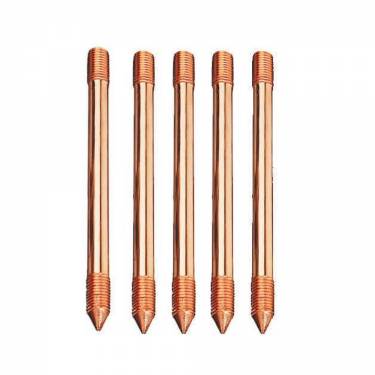
At Earth Power, a known brand from Kiash Group, we believe that safety starts with solid and reliable earthing systems on earth. There is a wonderful mix of performance and sturdiness in our Copper Bonded Rods in Kolkata that engineers and contractors seeking safe and reliable solutions can utilize. For new installation or when modifications to the system need be done, our rods are made to ensure long-lasting conductivity and corrosion resistance. Residential or commercial or industrial application-we serve all.
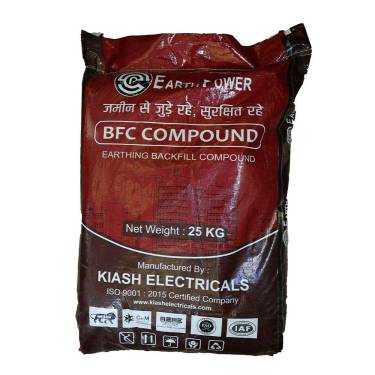
At Earth Power, a brand from the Kiash group, we provide a backfill that stays tight against your grounding electrode even when the soil gets dry. Usually, when the ground moisture changes, the dirt shrinks and leaves a gap, but this mix keeps everything connected so your resistance stays low. Using BFC Compound in Kolkata ensures that the space around the electrode remains packed with a conductive, moisture-retaining medium. We provide a backfill that stays tight against your grounding electrode even when the soil gets dry. Usually, when the ground moisture changes, the dirt shrinks and leaves a gap, but this mix keeps everything connected so your resistance stays low.
Explore our collection of related category videos showcasing premium electrical products, innovative solutions, and real-world applications. From cable management systems and electrical accessories to installation guides and product demonstrations, these videos help you better understand the quality, performance, and reliability of Kia's Electricals products for residential, commercial, and industrial projects.